Gold for the crown
The family history recalls ceremonial embroidery made for King George V and the British royal household.
Once, in the city of the Taj, a family of embroiderers worked gold for an emperor. Their son would one day make a garden that never fades.
Before the flowers, there was the needle. Before the needle, a city of marble and memory, where gold thread once crowned the robes of kings. This is the story of Sheikh Shams Uddin, of the family that taught him, and of the single work that holds them all.
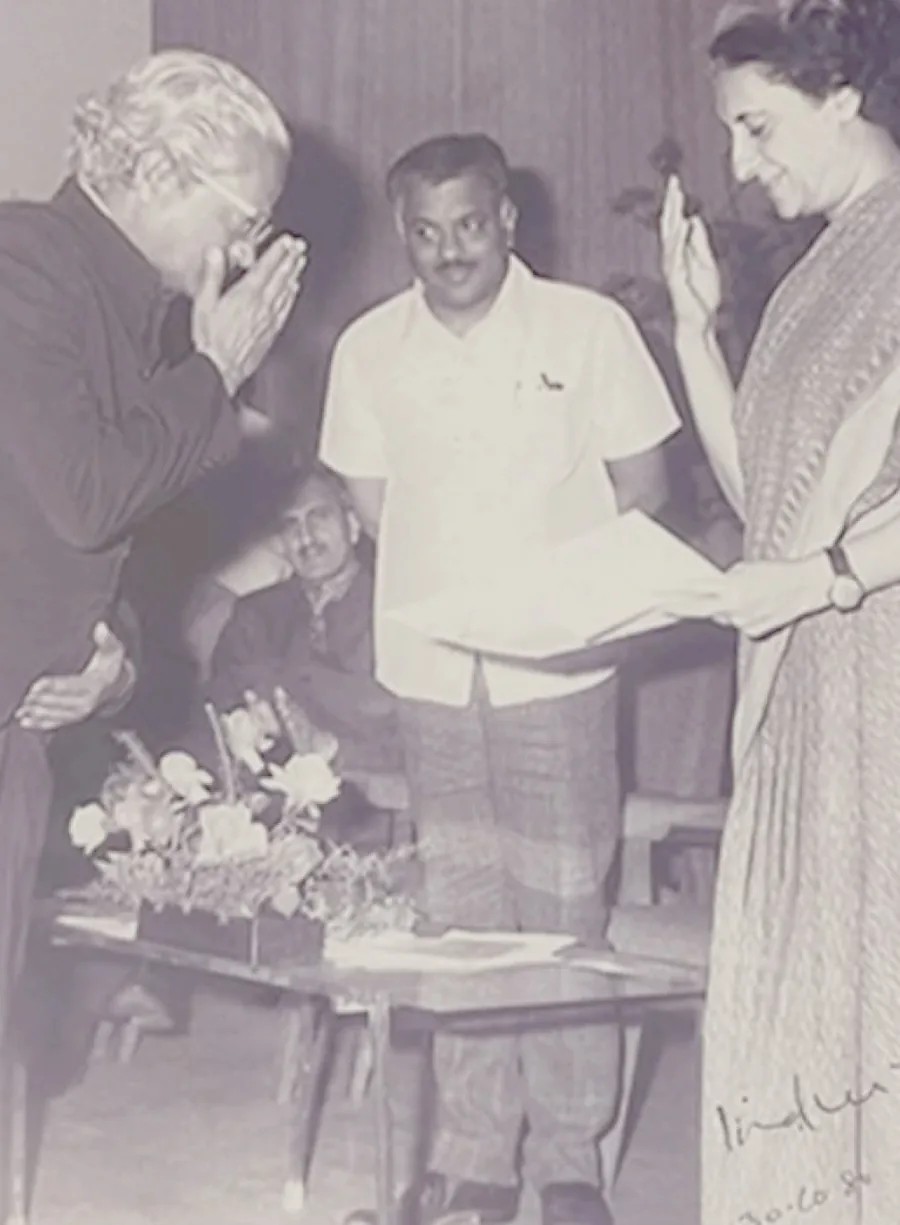
The photograph has softened with the years, but the moment holds. A craftsman from Agra stands to receive recognition from Indira Gandhi, as the family biography records it. For an instant, the quiet labour of the needle steps into the light of a nation.
He was born into embroidery the way other men are born into a name. Agra was its home, and zardozi, the art of metallic thread, was its mother tongue.
Meet the artistIn 1989 the Government of India named Sheikh Shams Uddin of Agra a recipient of the Padma Shri, one of its highest civilian honours, for zari embroidery. Years later, Condé Nast Traveller would write that Ronald Reagan had honoured him too.
Read the recordsLong before the Padma Shri, the family's own history tells of other hands in the same household, stitching ceremonial splendour for King George V and the British royal court.
It was an age when ornament was a language of power. Shams Uddin inherited its grammar, and wrote with it something entirely his own.
The royal story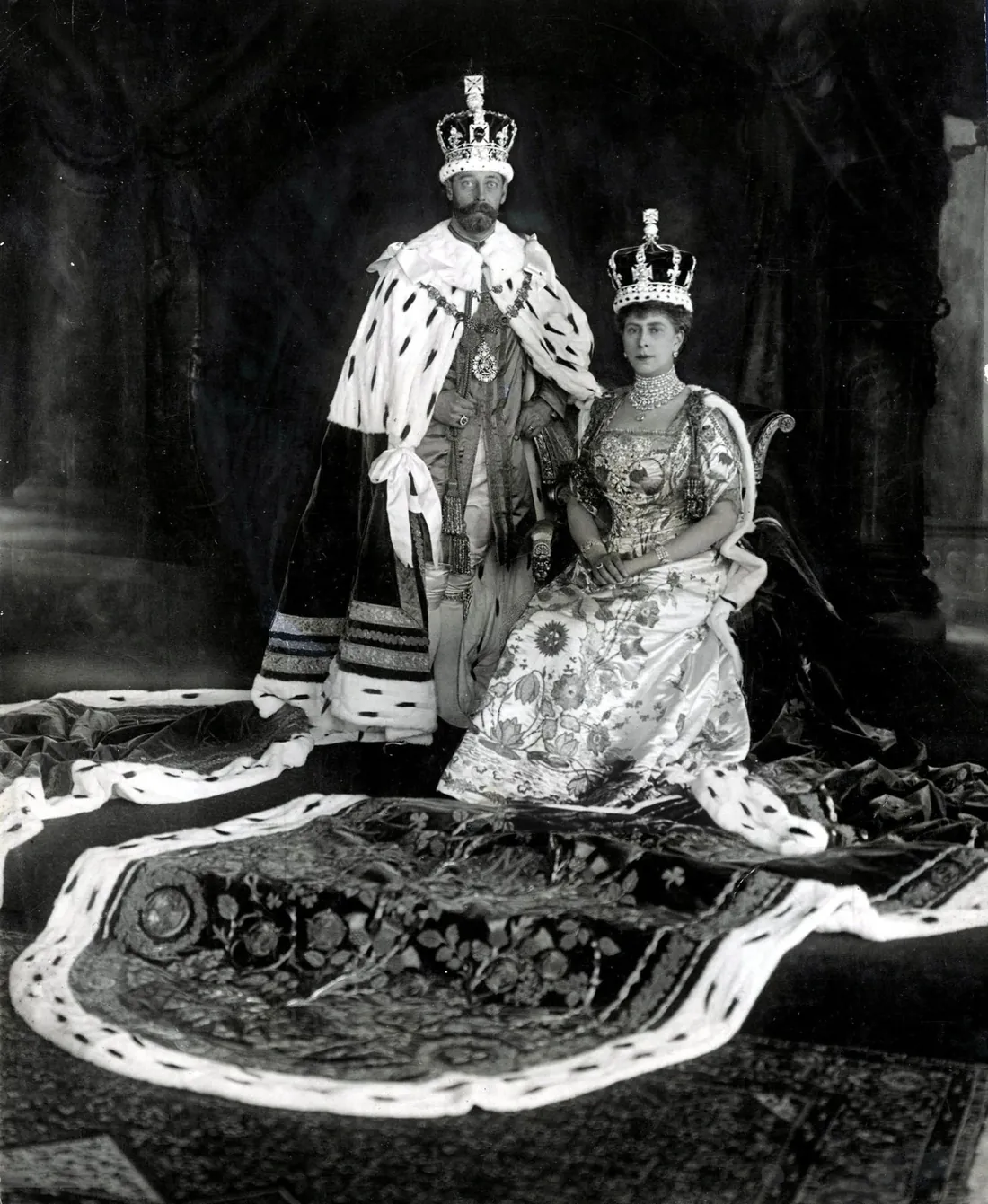
The family history recalls ceremonial embroidery made for King George V and the British royal household.
After some four to five years beneath the needle, The Vase is complete, so the family declaration records.
India honours Sheikh Shams Uddin of Agra for zari embroidery.
Condé Nast Traveller writes of his honour from Ronald Reagan, and of a family still at work in Agra.
Faizan Uddin signs a declaration, setting the history of The Vase into words.
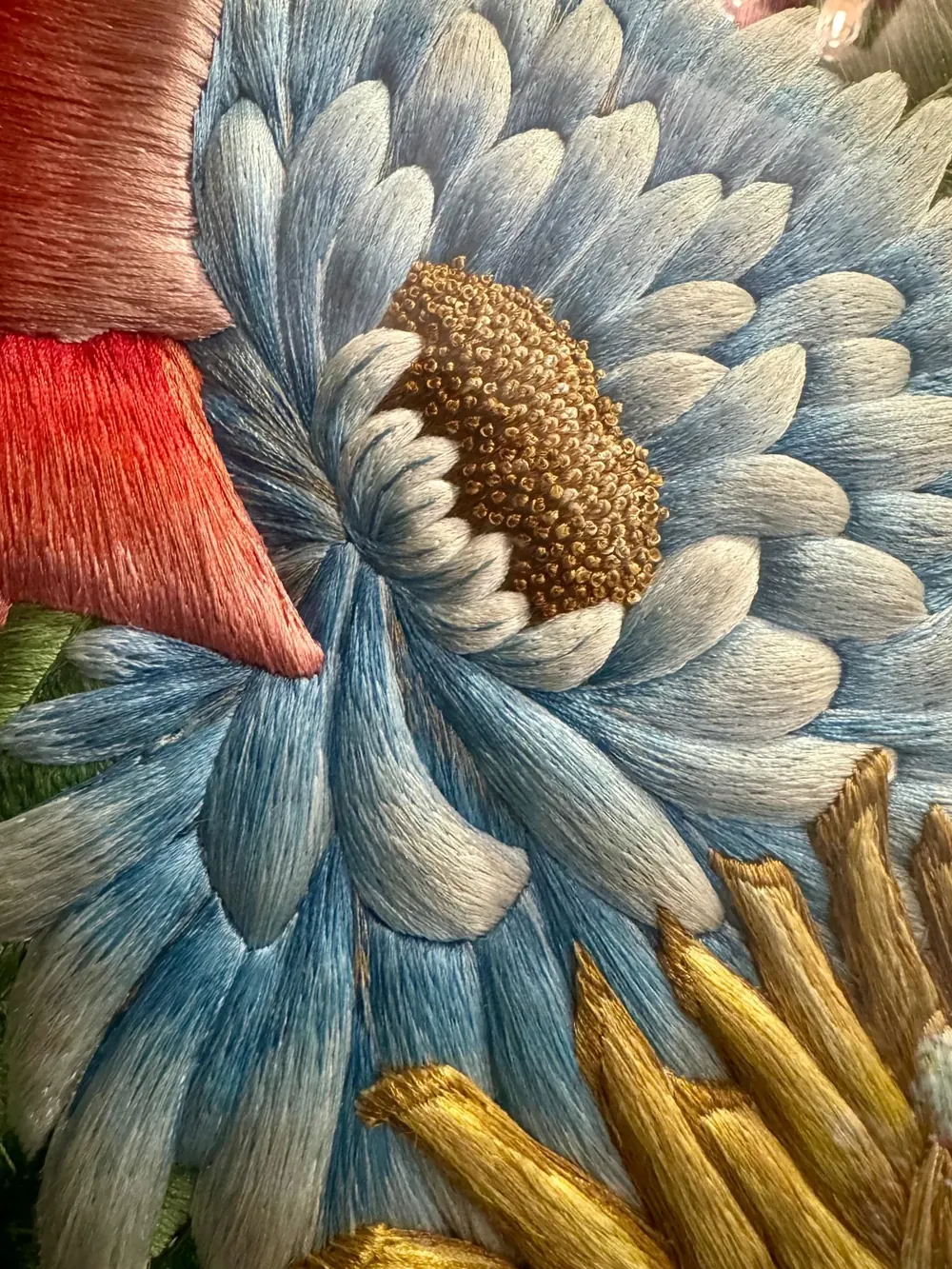
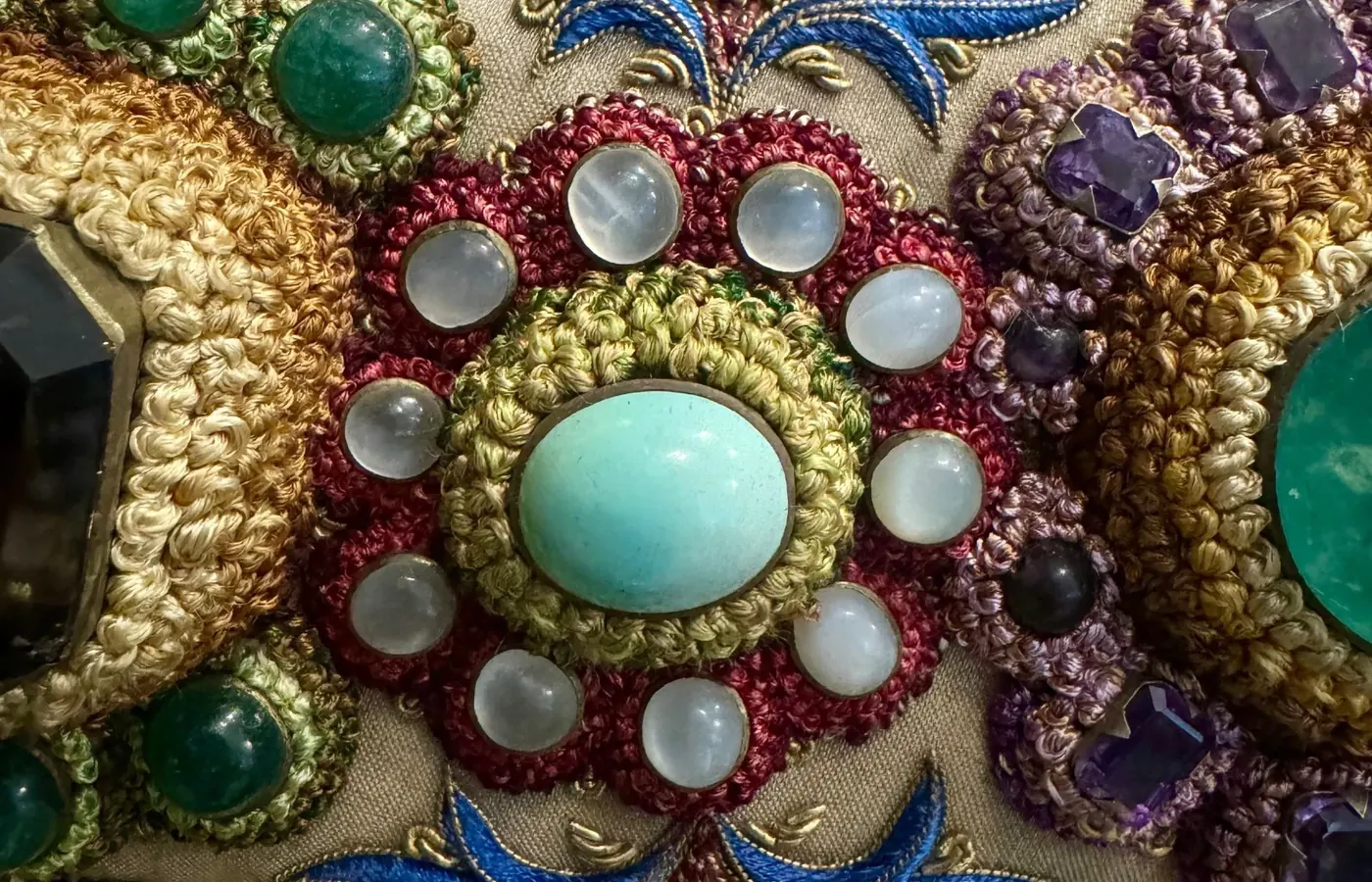
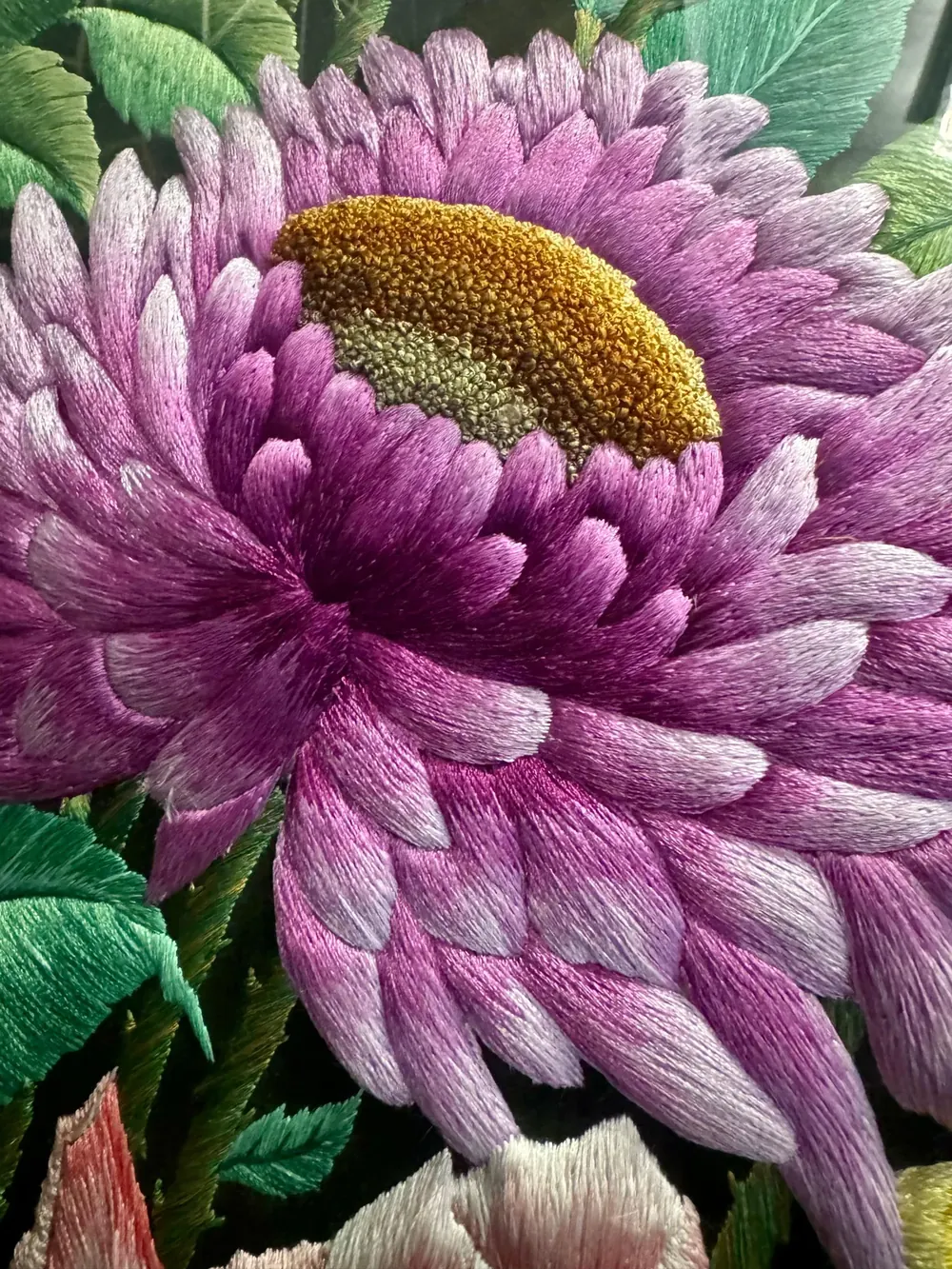
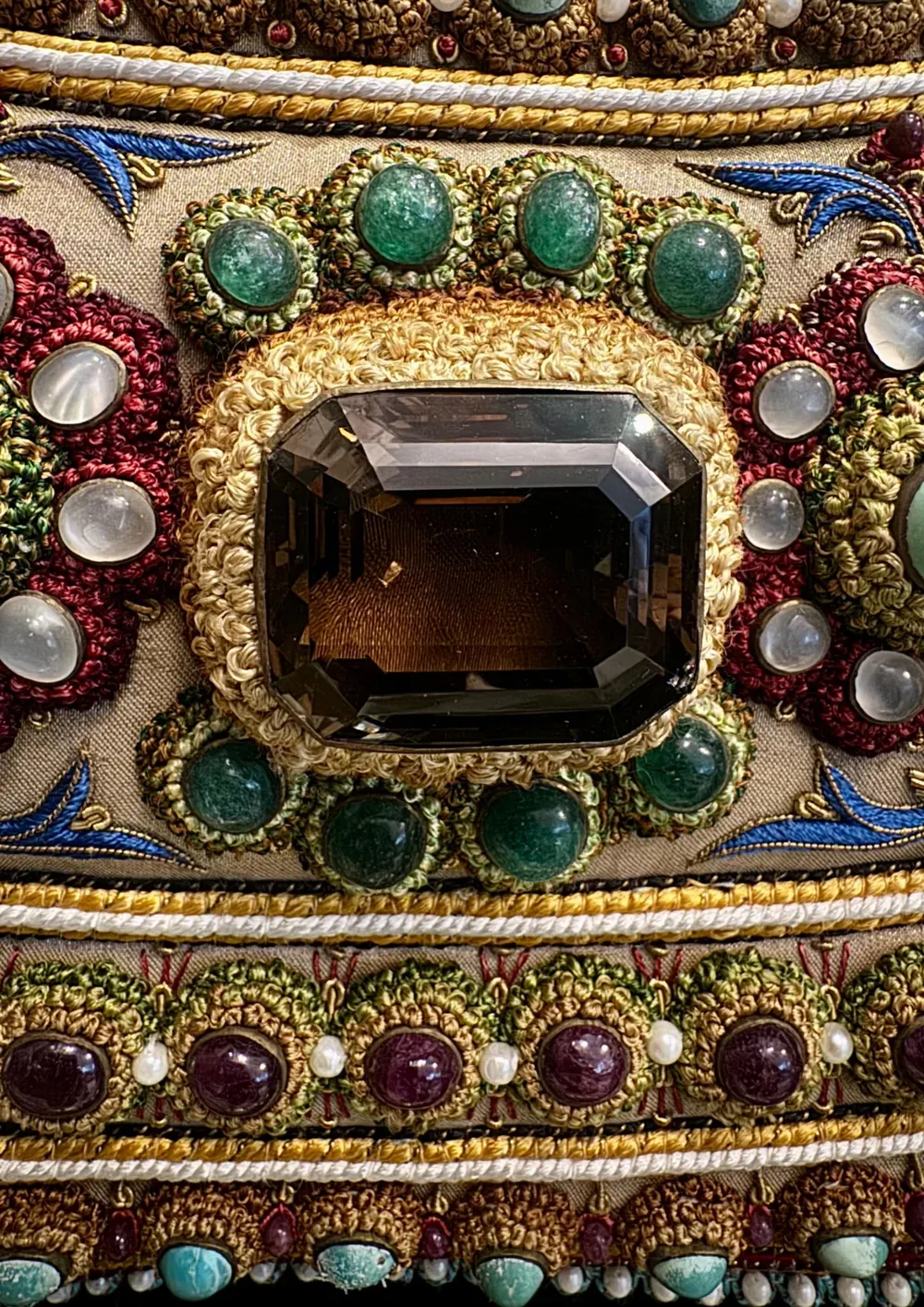
Every fragment, one garden
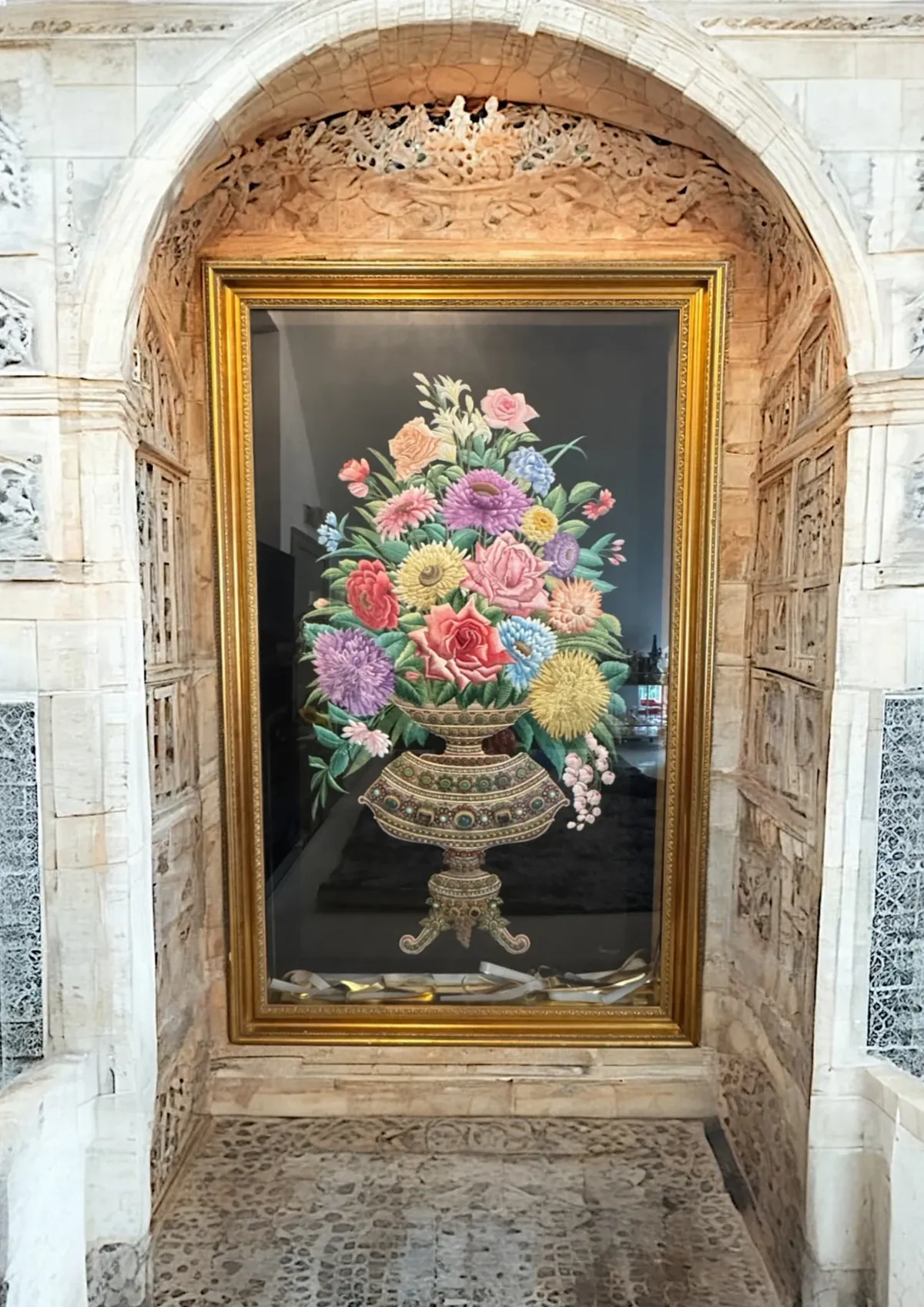
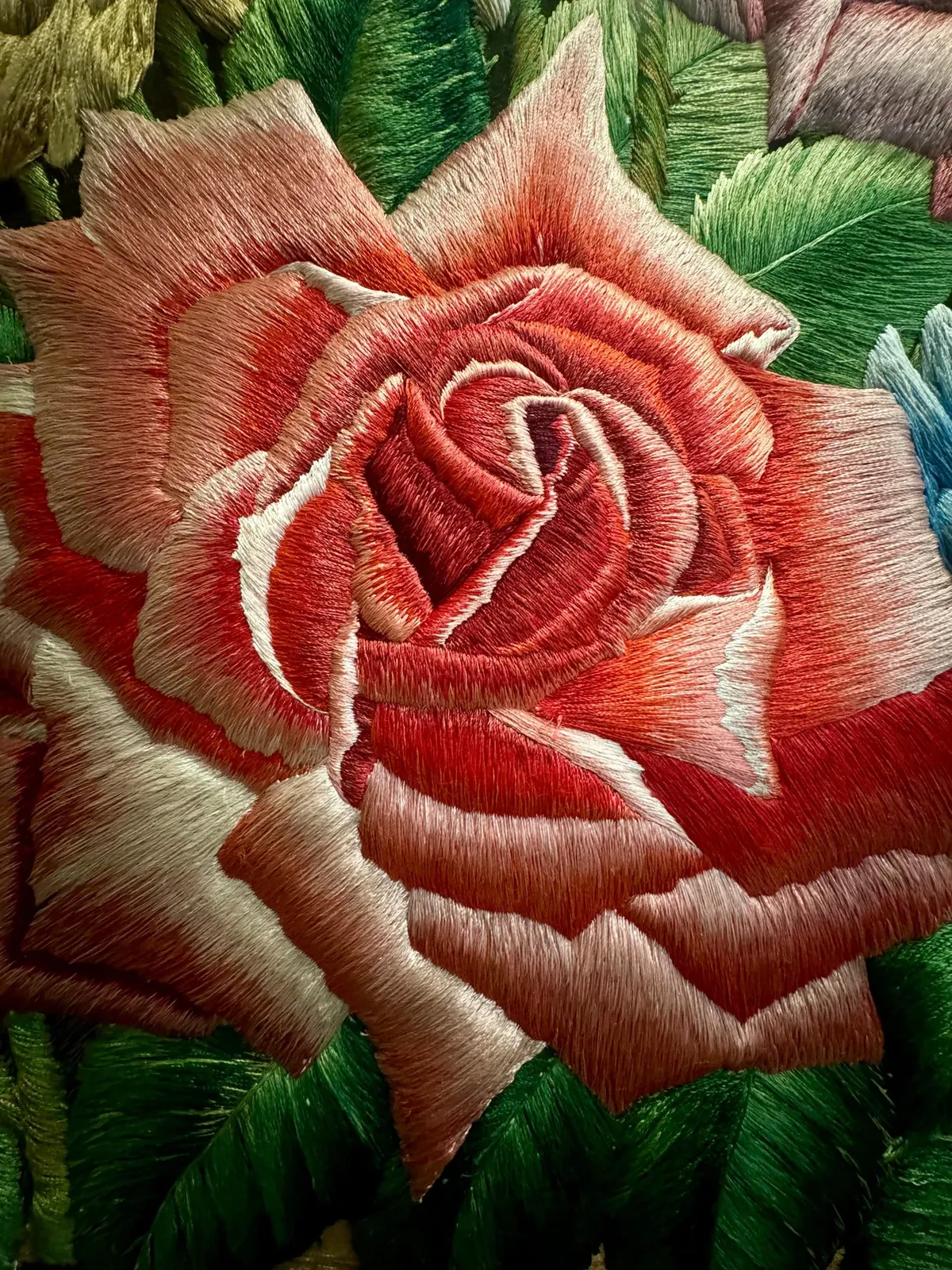
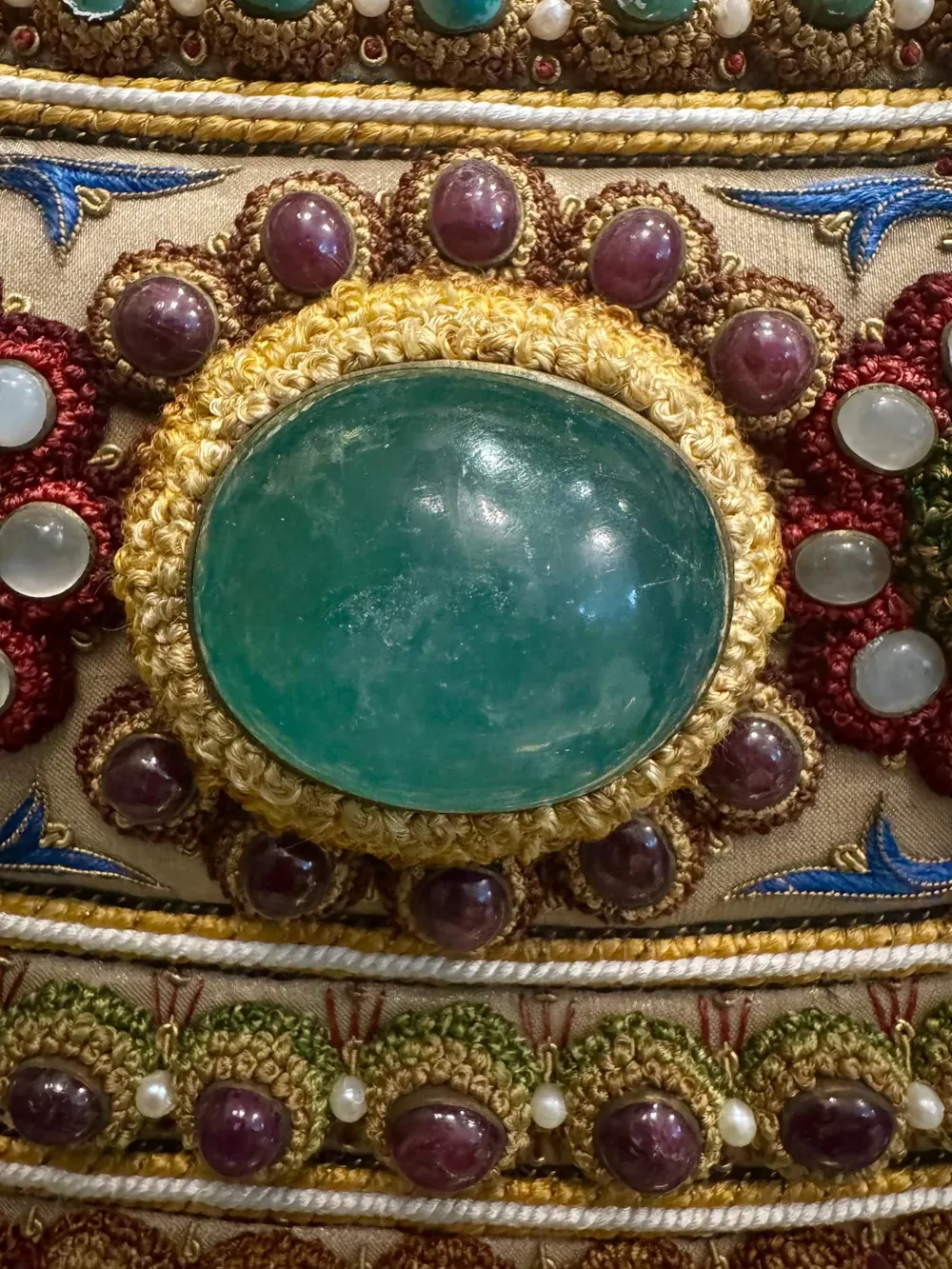
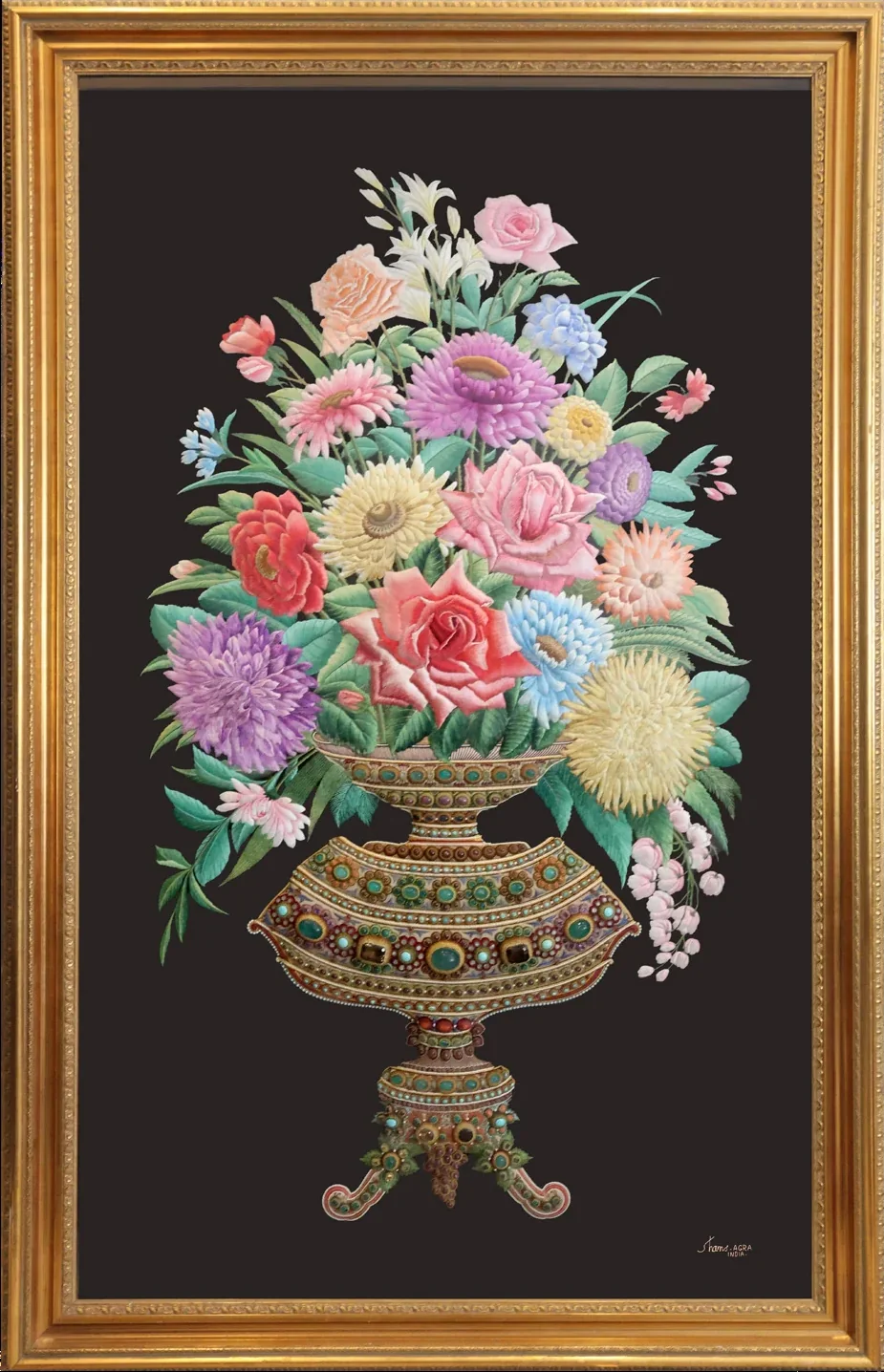
Roses open in silk. Chrysanthemums curl towards a light that is not there. Beneath them a vessel glitters, tier upon tier of stones and borders, as though a jeweller and a gardener had shared one pair of hands.
And at its foot, quietly, in thread, the maker signed his name and his city.

Shams · Agra · India
Enter The VaseA cinematic study of The Vase, following the light as it travels across raised petals and jewelled bands.